November 25, 2026
HVAC systems play a crucial role in maintaining comfortable living environments by regulating temperature and ensuring indoor air quality. Despite their importance, improper installation can lead to significant issues such as inefficient performance, increased energy consumption, and higher repair costs. For homeowners, understanding how proper HVAC installation can result in substantial financial savings over time is essential. This article will dive into the various advantages of correct installation, ranging from improved energy efficiency to enhanced property value. By ensuring that your HVAC system is installed properly, you are not just investing in immediate comfort but also securing long-term economic benefits.
The Importance of Proper HVAC Installation
Ensuring Optimal Performance
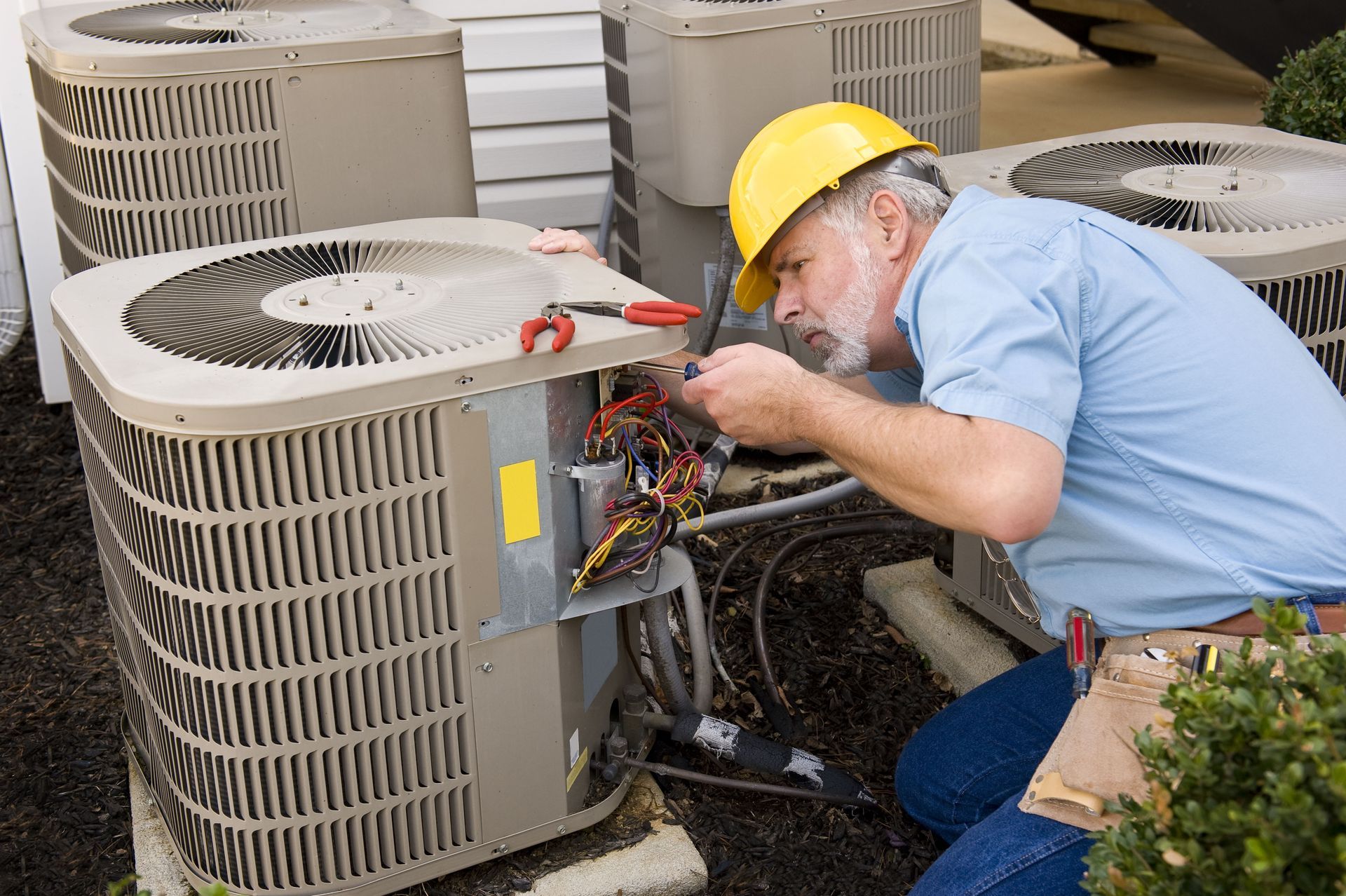
Proper HVAC installation is critical to ensuring the system functions at its best. When an HVAC unit is installed correctly, it guarantees that the system operates efficiently and avoids unnecessary strain on its components. With improper installation, systems may not run efficiently, leading to increased energy consumption and higher utility bills. Moreover, the likelihood of frequent breakdowns increases, causing more frustration and additional costs for repairs. When your HVAC system runs optimally, you're not only saving money but also prolonging the lifespan of the unit.
Avoiding Common Installation Mistakes
One of the most common mistakes during HVAC installation is incorrect sizing of the system. An oversized or undersized unit can lead to inefficient heating or cooling, increasing energy costs. Another frequent error involves improper ductwork, which can result in inadequate airflow and uneven temperatures across your home. Professional installation minimizes these risks by ensuring that every component of the system is correctly adjusted and calibrated. By avoiding these common mistakes, you are setting the foundation for fewer maintenance issues and ensuring a more durable system.
Compliance with Industry Standards
Compliance with industry standards is essential for guaranteeing that your HVAC system runs safely and efficiently. When installations adhere to these standards, it ensures that the system will be reliable and efficient. Certified technicians are trained to follow best practices and required regulations, which significantly minimizes the risk of malfunction or hazards. Furthermore, compliance with industry standards is often necessary for warranties and insurance policies, providing additional peace of mind. By hiring professionals who adhere to these standards, you protect your investment and ensure that your system will function optimally for years to come.
Enhancing Longevity of the System
A correctly installed HVAC system is integral to its longevity. Proper installation circumvents many of the issues that lead to premature wear and tear. Components like the compressor, blower, and coils are less prone to breakdowns when they are correctly configured and calibrated. This longevity is financially beneficial, as it reduces the frequency of costly replacements and repairs. Homeowners can enjoy a reliable HVAC system that performs as expected over its intended lifespan, maximizing the return on their investment.
Minimizing Upfront and Long-Term Costs
Investing in professional HVAC installation might require a slightly higher initial cost but saving money long-term is inevitable. Poor installations can result in immediate performance issues, necessitating expensive repairs from the outset. Over time, these cumulative repair and operational costs can exceed the original price of the system. Proper installation minimizes these unforeseen expenses, offering a cost-effective solution that aligns with your financial goals. In summary, savvy homeowners recognize that spending a little more upfront can translate into significant savings down the line.
Energy Efficiency Benefits
Reduced Energy Consumption
Proper HVAC installation significantly reduces energy consumption, leading to lower utility expenses. Systems that are correctly installed will adhere to manufacturer specifications, optimizing energy use and reducing wastage. When the HVAC system operates efficiently, it requires less power to maintain the desired indoor climate, which directly translates into cost savings. In contrast, improperly installed units can consume up to 30% more energy. Ensuring efficient energy use is not just environmentally responsible but also economically prudent.
Lower Monthly Utility Bills
One of the most visible benefits of correct installation is a decrease in monthly utility bills. According to industry experts, optimized systems can lower electricity costs by a substantial margin. With reduced energy waste and operational efficiency, homeowners can experience consistent temperature regulation without excessive energy use. As a result, monthly utility savings can quickly add up over the lifespan of the system. This reduction in recurring expenses not only liberates financial resources but also offers a long-term return on your HVAC investment.
Increased SEER Ratings
SEER (Seasonal Energy Efficiency Ratio) ratings are a crucial measure of a system's energy efficiency. A properly installed HVAC system is likely to achieve higher SEER ratings, offering better performance and lower energy consumption. Higher SEER ratings indicate a system that provides more efficient temperature regulation per energy unit consumed. This efficiency not only enhances comfort levels in your home but also contributes to considerable savings over the system's operational life. Investing in systems with high SEER ratings supports both economic and environmental goals.
Eco-friendly Operations
HVAC systems with proper installation contribute to more eco-friendly operations. Energy-efficient systems utilize less electricity, subsequently reducing your carbon footprint. When systems require less fuel to function optimally, emissions produced are significantly minimized. Moreover, as environmental regulations tighten, having a unit that's compliant and efficient becomes more advantageous. By investing in green technology, homeowners play an active role in sustainability while still saving on energy expenses.
Qualification for Energy Rebates
Properly installed energy-efficient HVAC systems often qualify homeowners for various energy rebates and tax incentives. Federal, state, and local governments frequently offer financial incentives to encourage the adoption of efficient technologies. By meeting these guidelines, homeowners can recover part of their installation costs through rebates, providing another layer of savings. These programs not only make installation more affordable but also help to offset the premium initially paid for high-efficiency systems. Taking advantage of such incentives can make a significant difference in the overall cost of upgrading your HVAC system.
Maintenance Cost Reductions
Fewer System Breakdowns
Proper installation plays a pivotal role in minimizing maintenance costs by reducing the likelihood of system breakdowns. The precision and accuracy involved in correct installation ensure that the system operates within its intended parameters. As a result, the wear and tear normally associated with everyday use are minimized, preventing frequent breakdowns. This reliability reduces the frequency of on-demand repair services, which can often be costly and inconvenient. Fewer breakdowns mean the system remains in service longer, reducing the overall maintenance burden.
Ease of Access for Routine Checks
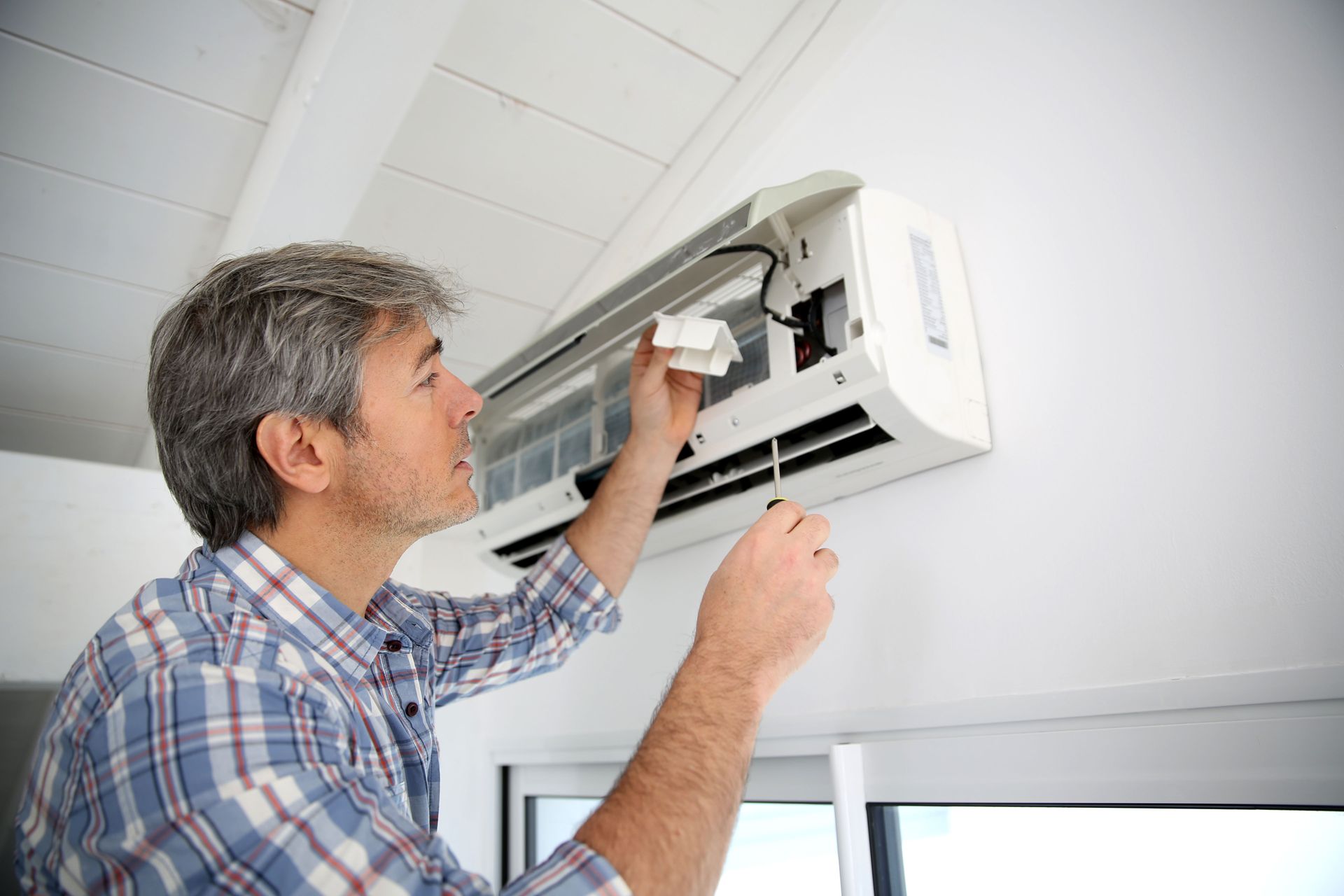
The logical arrangement of components during the installation process makes routine checks easier and less invasive. When accessible, HVAC units allow technicians to complete their work more efficiently, which decreases labor costs significantly. Simpler maintenance visits mean that any small issues can be quickly identified and resolved before they escalate into significant problems. This proactive approach reduces the risk of costly major repairs and ensures that the system operates efficiently over its lifespan. Ease of maintenance is a strategic benefit that ensures long-lasting performance and cost efficiency.
In conclusion, the manifold advantages of proper HVAC installation extend far beyond immediate cost savings. A correctly installed system maximizes energy efficiency, reduces maintenance expenses, and ensures long-term investment returns. Homeowners enjoy improved air quality, increased property value, and the capacity to integrate future advancements effortlessly. Leveraging skilled professionals ensures that these benefits contribute significantly to a home’s longevity, comfort, and sustainability. Investing in proper installation is not just a financial decision but a commitment to responsible and informed homeownership that pays dividends over time. Be sure to reach out to High Country Heating & Air Conditioning today to learn more about our professional HVAC installation!