October 29, 2026
Before reaching out to local heating repair services, it’s wise to conduct a series of diagnostic checks at home. This guide will help you identify potential issues with your heating system and effectively communicate them to professionals if necessary.
1. What Should I Check if My Heater Is Not Working?
1.1 Check the Thermostat
Ensuring that your thermostat is properly configured is a fundamental step in diagnosing heating issues. Confirm that it's set to the desired temperature and is on the correct setting for the current season, whether it's "heat" during the winter months or "cool" in summer. Sometimes, a simple recalibration or replacement of batteries might resolve minor thermostat problems, sparing you a call to heating repair services.
Finding that the thermostat settings are incorrect can be a relief in terms of potential repair costs. A wrong setting is one of the most common reasons for heating issues. Modern thermostats, especially smart ones, can also inadvertently switch modes, so regular checks are beneficial. Proper temperature settings not only enhance comfort but significantly optimize energy usage.
1.2 Inspect the Power Supply
Another critical diagnostic step involves ensuring your heating unit is receiving adequate power. Often, the issue may be as simple as a tripped circuit breaker or a blown fuse. Double-check that the unit is securely plugged in if it comes with such a connection, and verify that switches or breakers corresponding to your heating system are in the "on" position.
Power supply issues can mimic more severe mechanical problems, so addressing them first could prevent unnecessary heating repairs. It's a quick process and can be managed safely by any homeowner. If electrical issues persist despite taking these measures, involving a professional is advisable, particularly when fuses or wiring anomalies are involved.
1.3 Assess the Air Filters
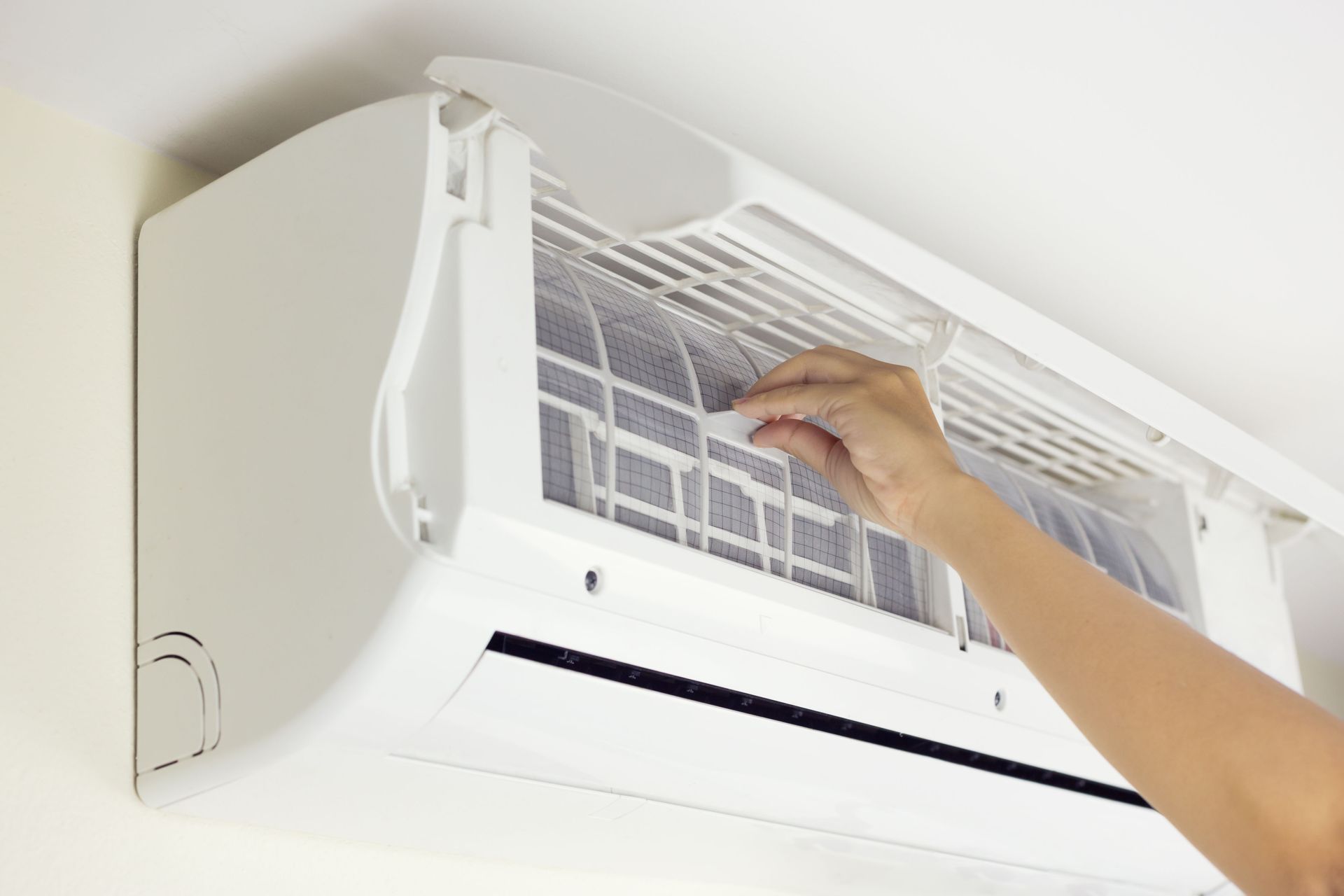
Dirty or clogged air filters are often an overlooked culprit when heating systems underperform. A blocked filter significantly hampers airflow, reducing the system's efficiency—thus, it's wise to clean or replace air filters regularly. This maintenance step is not only about cost-saving but is also crucial for maintaining air quality and system longevity.
According to This Old House, HVAC systems, with proper maintenance like regular filter cleaning, tend to last between 15 to 20 years. Taking the time for such preventative actions doesn't just improve heater performance but also ensures cleaner air circulates throughout your home, underpinning a healthier living environment.
1.4 Evaluate the Pilot Light or Ignition
For gas-fired heating systems, the pilot light or electronic ignition system must function correctly to start the heater. If the pilot light is out, there could be several reasons to explore, including a malfunctioning thermocouple, drafts, or clogged orifices. Electronic ignition systems might require checking the ignition's electrical connections or replacing the spark igniter.
Maintaining the pilot light can be delicate work, sometimes necessitating professional intervention, especially if the problem recurs frequently. Moreover, addressing these issues promptly avoids extended periods without heating and mitigates the chance of requiring more costly heating repairs down the line.
2. Why Is My Heater Blowing Cold Air?
2.1 Verify the Thermostat Settings
If your heater unexpectedly blows cold air, revisiting the thermostat settings can sometimes resolve the issue quickly. It might be misconfigured or incorrectly set to the "cool" mode. Double-check that your system is set to "heat" and that the temperature settings align with your comfort requirements to ensure optimal performance.
Maintaining correct thermostat settings aids in preventing misleading signals that can result in cold air emission instead of the desired heat. Ensuring these settings are correct is an efficient way to enhance heater efficiency, minimizing unnecessary energy consumption and mitigating the risk of repairs.
2.2 Examine the Ductwork
Blockages or leaks in ductwork present another common cause of heaters producing cold air. Over time, ducts can become obstructed by debris or suffer damage that results in heat loss. Periodically inspecting duct connections and seals is crucial in maintaining system efficacy and preventing undesired airflow issues.
Proper airflow through inspected and maintained ductwork ensures your HVAC system operates smoothly, avoiding patchy heating troubles. Leaks not only compromise heating efficiency but can also escalate energy costs unnecessarily, warranting close inspection for assured comfort and reduced energy expenditures.
2.3 Test Limit Switch
The limit switch regulates the fan operation, ensuring it blows warm air only. Malfunctions in the switch can result in the fan running during the heating cycle, producing a cool air flow. A problem here often necessitates adjustment or replacement to restore proper functionality to your heater.
Diagnosing issues with the limit switch may require professional intervention if the homeowner's assessment is inconclusive. Ensuring the limit switch functions correctly not only prevents the system from blowing cool air but aids in reducing unnecessary strain and preventing further heating repairs.
3. How Do I Know If My Heater Needs Repairs?
3.1 Unusual Noises
Banging, squealing, or grinding noises are telltale signs of mechanical problems within a heater. These noises may stem from loose components, worn-out bearings, or belt issues that necessitate professional evaluation. Addressing these sounds early can prevent further system damage.
Ignoring unusual heater noises risks escalating minor mechanical issues into significant problems requiring detailed repairs. Regular auditing of your system for strange sounds can assure early detection and, more importantly, maintain heater reliability and longevity.
3.2 Inconsistent Heating
Uneven heating throughout the home may indicate problems with the heating system's capacity or distribution. Systems not designed for the heating load can cause significant variations in room temperature. Evaluating the heater's specifications against your home's requirements might bring clarity to these discrepancies.
Addressing issues of inconsistent heating early can protect against additional stress on the system, which may reduce the efficiency and life span of your heating unit. Professional assessments can often immediately identify imbalances and perform necessary heating repairs.
3.3 Rising Energy Bills
A sudden spike in energy bills, disproportionate to weather changes, might suggest inefficiency due to system malfunction. Such scenarios highlight potential underlying issues, warranting a thorough examination of system components and performance.
When faced with unexplained energy costs, opting for professional heating repair assessments can uncover hidden inefficiencies. These preliminary steps can transform into longer-term energy savings, aligning with sustainable energy use practices and cost management.
4. What Maintenance Can Prevent Heating Repairs?
4.1 Regular System Inspections
Scheduling annual or bi-annual inspections is a proactive way to identify and rectify potential issues before they require major heating repairs. Regular maintenance checks can ensure that every component of the heating system is functioning as designed, helping preserve system efficiency and longevity.
Such routine inspections help uncover wear and tear or minor malfunctions that, if left unnoticed, might degenerate into significant problems. Consistent maintenance routines fortify your system's health and circumvent unnecessary downtimes and heating repairs.
4.2 Cleaning Components
Keeping components clean, especially those prone to dust like filters and fans, plays a vital role in preventative maintenance. Clean components ensure an optimal flow and prevent dust accumulation, which can block pathways and reduce efficiency.
Committing to regular cleanings mitigates the risk of built-in dust impairing your system's functionality, contributing to reduced repair needs. Preventative cleaning actions enable your heating system to deliver consistent performance, serving homes efficiently.
4.3 Seal and Insulate
Improved home insulation can significantly reduce the heating load and strain on heating systems. By preventing unnecessary heat escape, insulated homes maintain temperature levels with greater ease, supporting longer system service life.
Sealing gaps and enhancing home insulation not only attenuate environmental impact but also cultivate in-house energy efficiency and cost savings. Adequate sealing and insulation represent low-cost initiatives that yield long-term modifications in energy expenditure and system endurance.
Before calling in the experts, a homeowner can perform essential diagnostics that might resolve many common heating issues. Understanding these basics can lead to faster resolutions and possibly save on repair costs. By familiarizing yourself with these steps, you can undertake a proactive approach to household heating management, supporting efficiency and cost-effectiveness. Reach out to High Country Heating & Air Conditioning today to see how we can help you!