October 28, 2026
Your heating, ventilation, and air conditioning (HVAC) system works year-round to keep your home comfortable, whether temperatures rise during the summer or drop during the winter. Because these systems operate regularly to maintain consistent indoor temperatures, their components experience ongoing wear and tear. Without regular preventive maintenance, even reliable equipment can lose efficiency, develop expensive problems, and fail prematurely. Small issues, such as clogged air filters, restricted airflow, or worn electrical components, can gradually affect performance and lead to costly repairs if left unaddressed.
Understanding the importance of routine maintenance helps homeowners reduce energy costs, improve indoor air quality, and avoid unexpected breakdowns. Regular inspections also allow potential problems to be identified early, helping prevent minor concerns from developing into major system failures. Working with qualified HVAC contractors ensures that essential components receive the attention they need to operate safely and efficiently. From seasonal tune-ups to routine performance checks, preventive maintenance is an investment in your home's comfort, reliability, and long-term value. By establishing a consistent maintenance schedule, homeowners can protect their HVAC investment, extend equipment lifespan, and enjoy dependable indoor comfort throughout the year.
Understand How Maintenance Extends Equipment Life
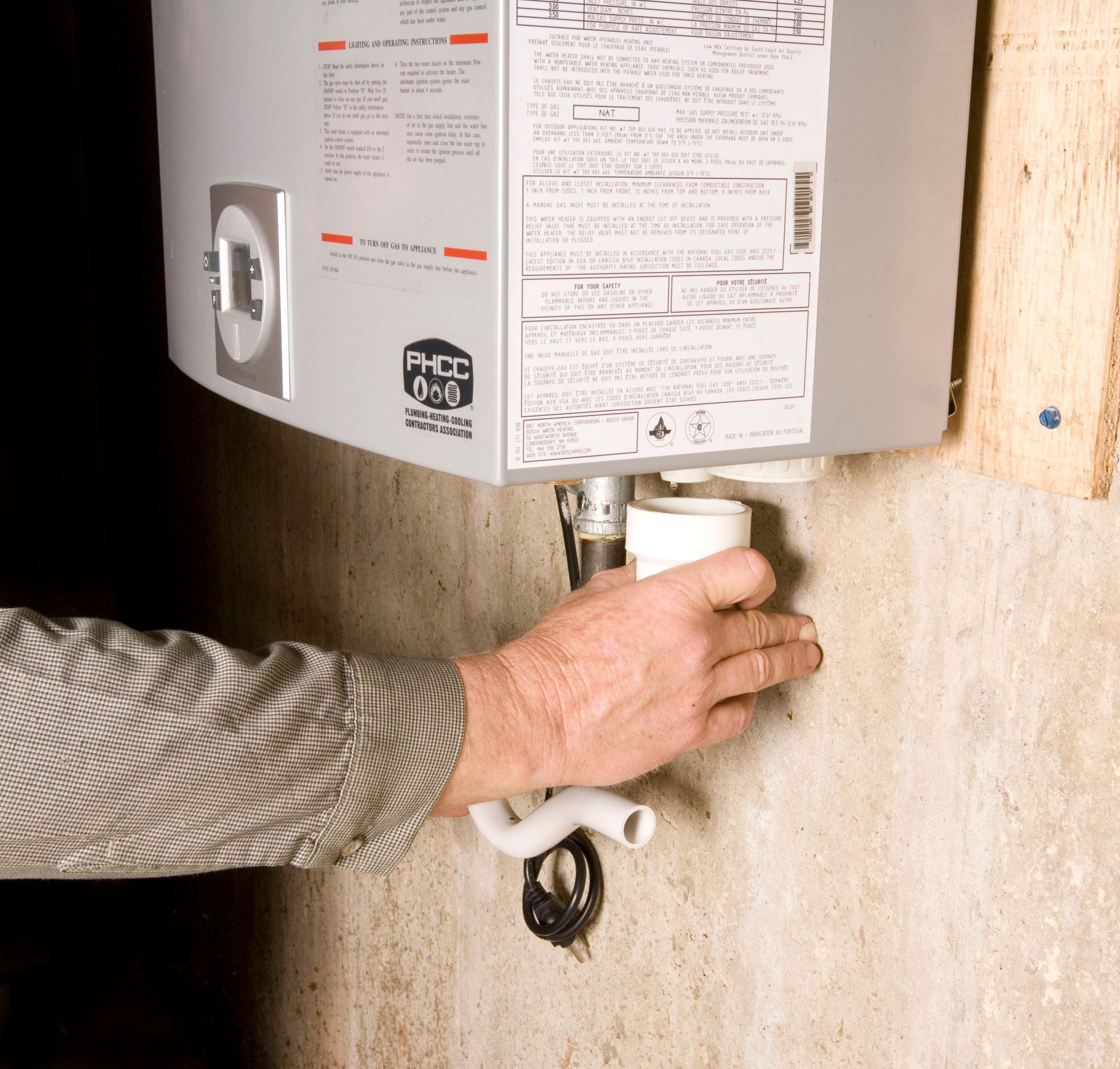
Most HVAC systems last approximately 15 to 20 years, depending on equipment quality, usage, installation, and maintenance. Neglected components experience additional strain, increasing the likelihood of premature failure. According to This Old House, tankless water heaters last about 20 years. Similarly, properly maintained heating and cooling equipment can provide years of reliable service.
Routine inspections help technicians identify worn parts, clean essential components, and correct performance issues. Homeowners should schedule professional maintenance in spring and fall to prepare cooling and heating equipment for seasonal demands. Consistent attention helps preserve efficiency, prevent avoidable breakdowns, and extend equipment life.
Recognize the Financial Benefits of Preventive Care
Preventive maintenance often costs considerably less than repairing neglected equipment. Dirty filters, restricted airflow, and failing components force systems to work harder, increasing energy consumption and utility bills. Regular servicing helps maintain efficient operation while identifying problems before emergency repairs become necessary.
Maintenance plans can also provide predictable service costs, scheduled inspections, and priority assistance. Although these plans require an upfront investment, their value becomes clearer when they help prevent expensive failures and reduce ongoing operating costs. For businesses, dependable equipment can also minimize disruptions to employees, customers, and daily operations.
Follow Essential Maintenance Practices
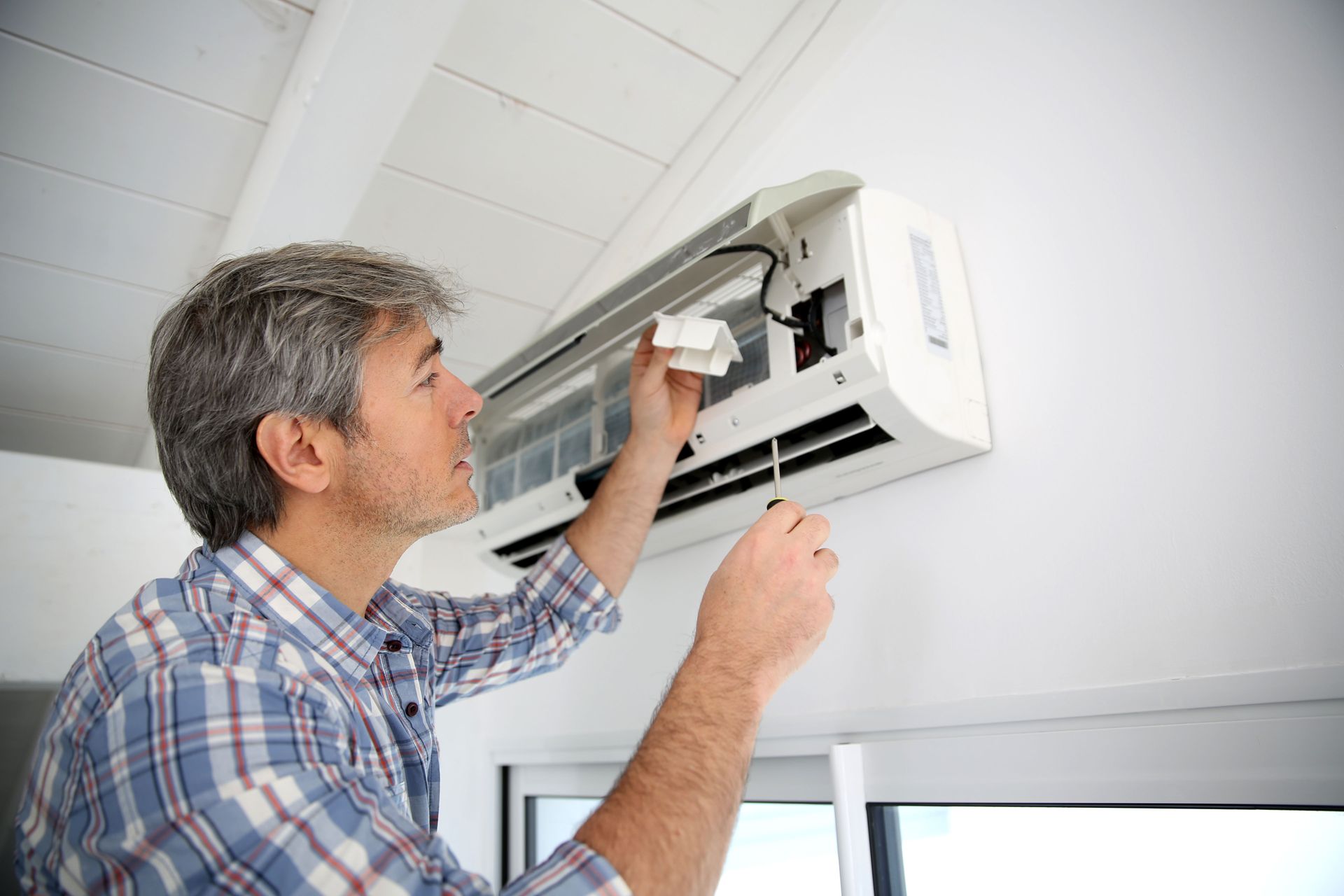
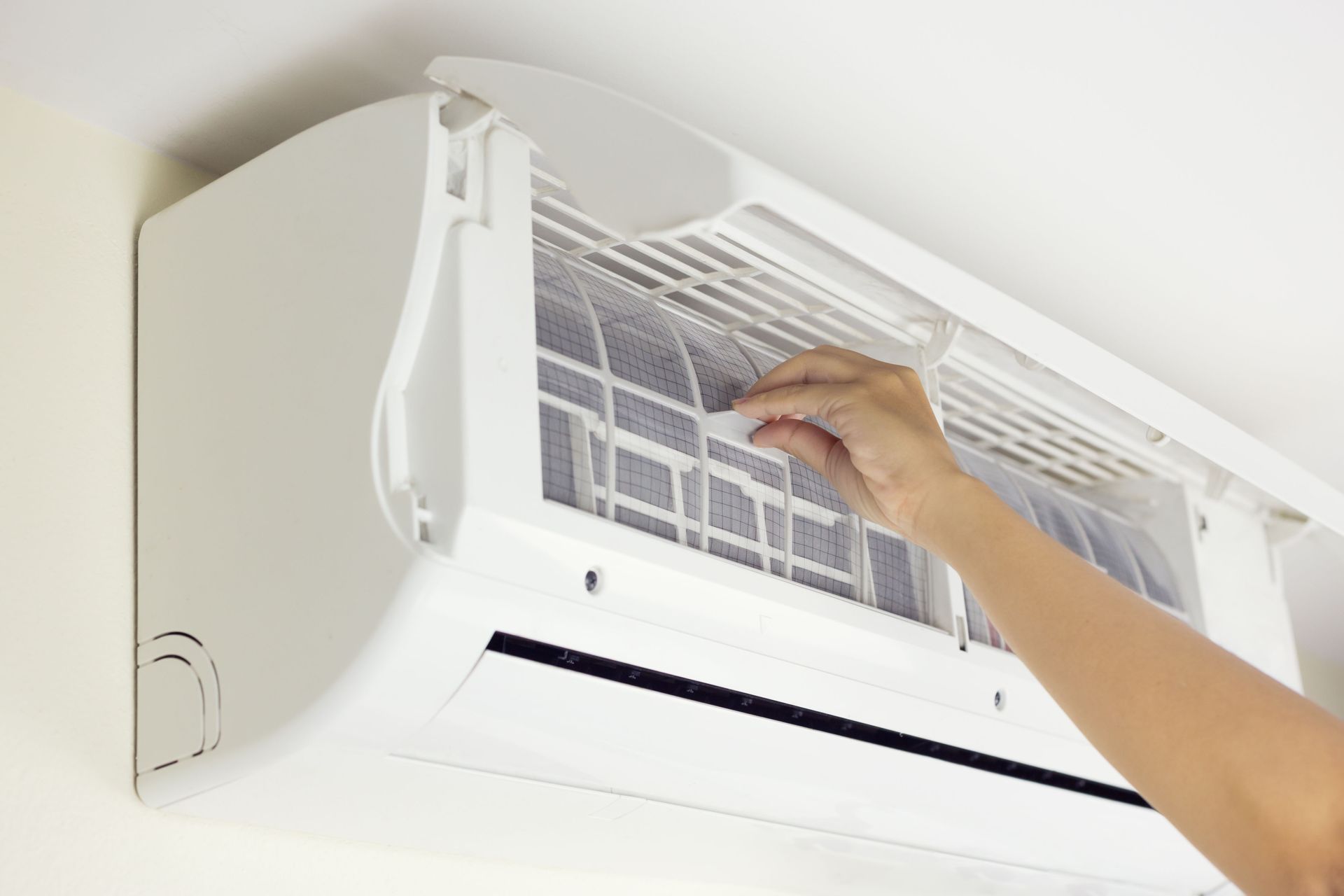
Simple maintenance habits can significantly improve system performance. Check air filters monthly and replace them as needed, typically every one to three months, depending on usage, household conditions, and manufacturer recommendations. Clean filters support airflow and help reduce airborne dust.
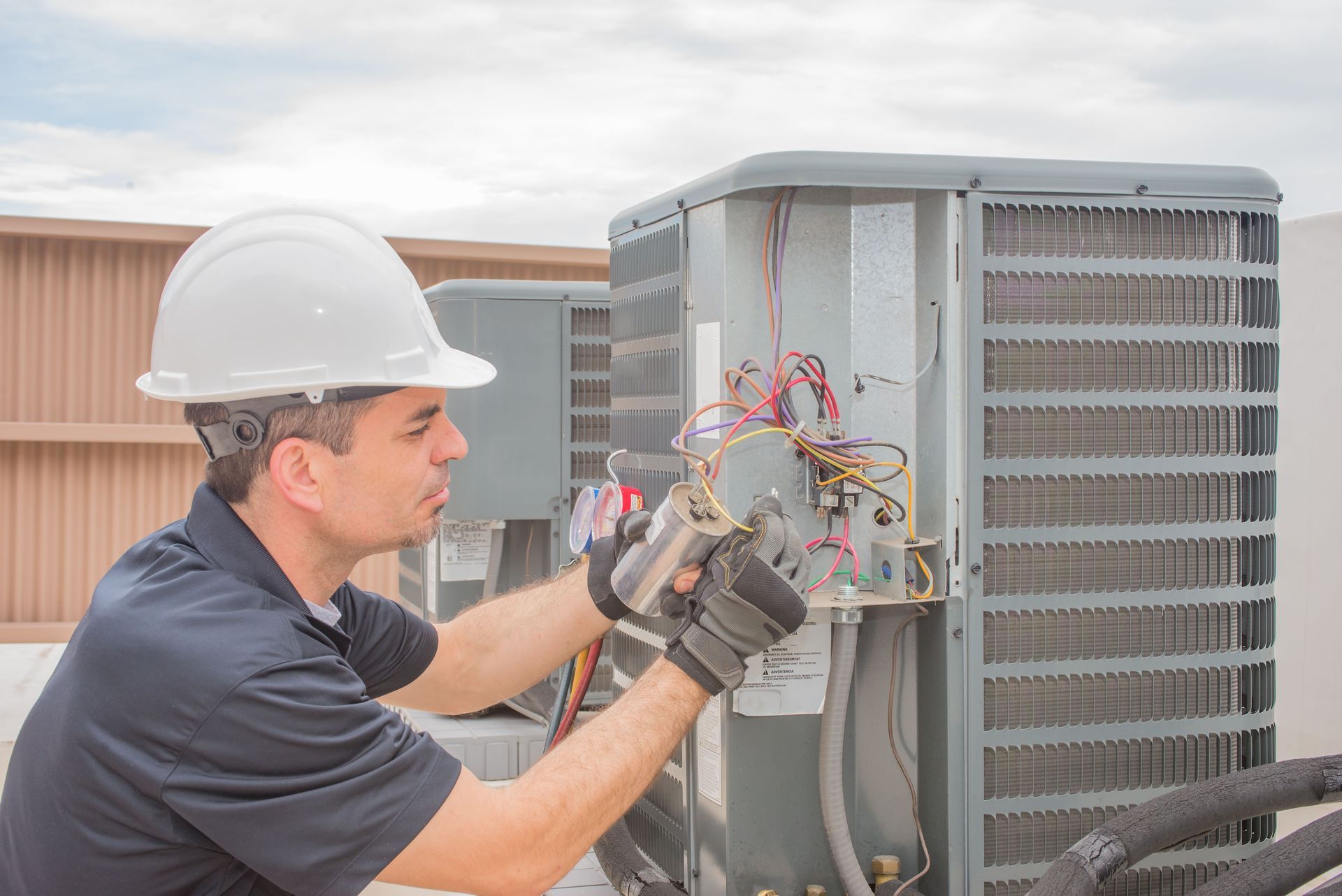
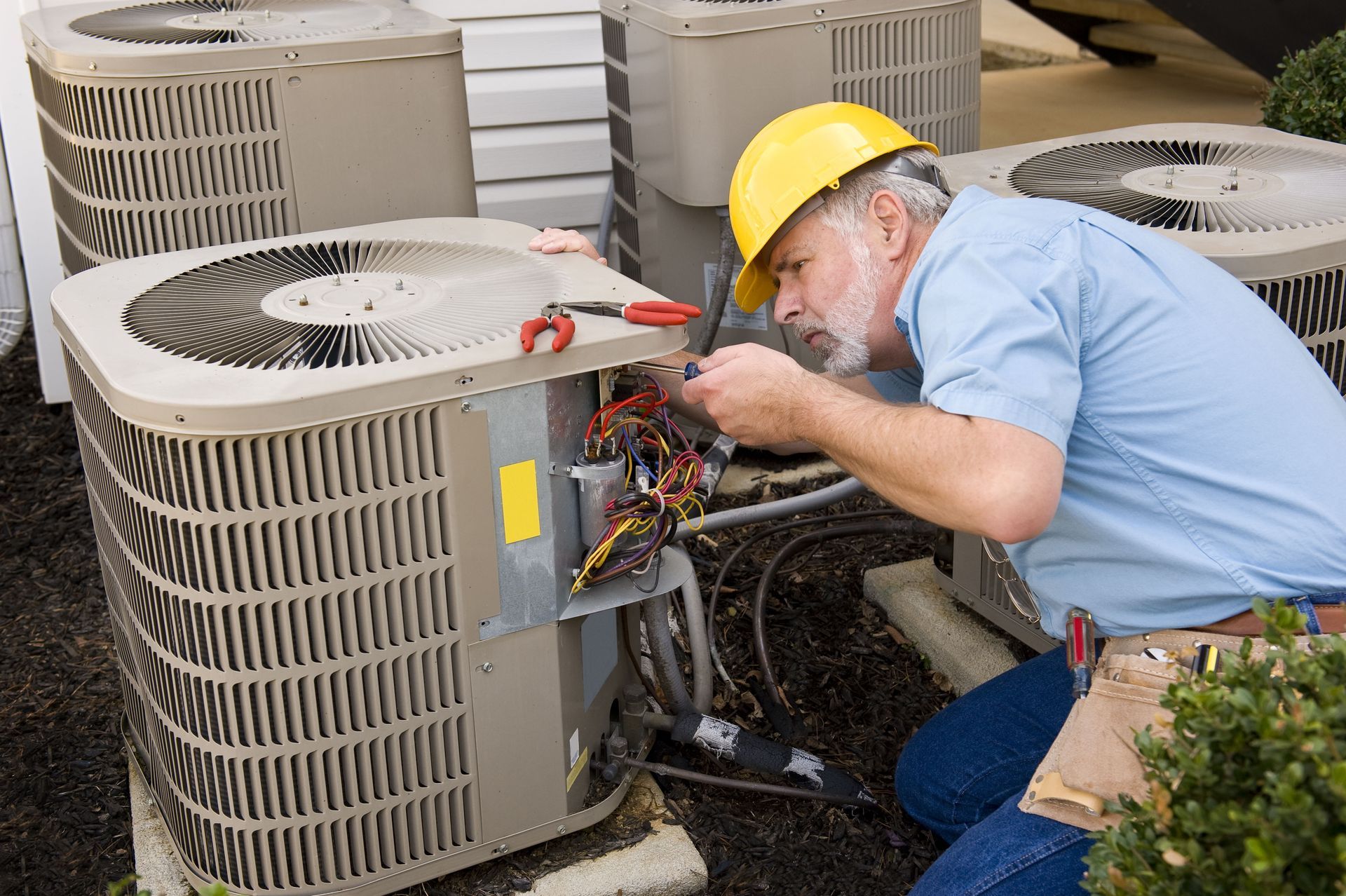
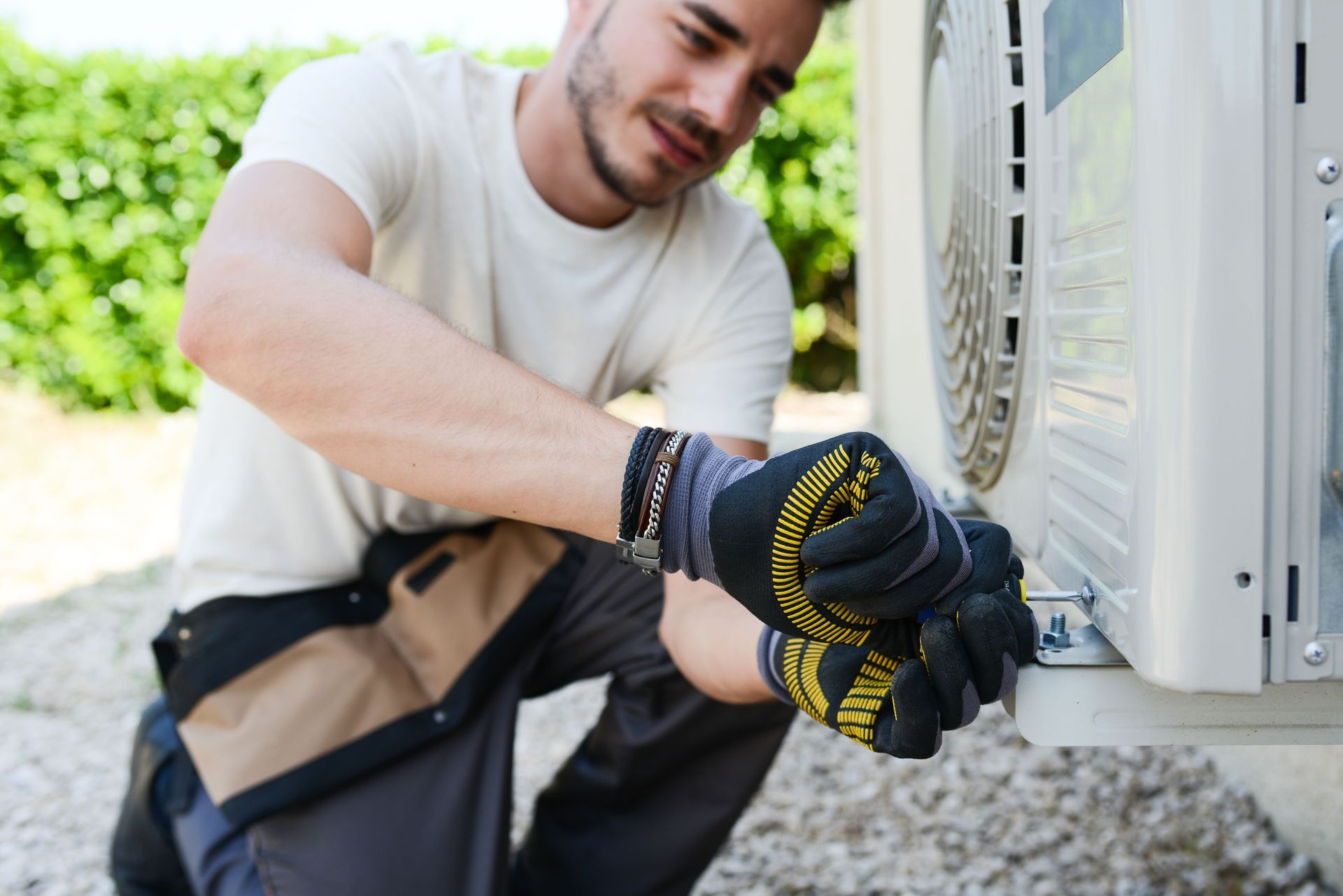
Professional maintenance should include inspecting coils, checking refrigerant levels, testing electrical connections, examining moving parts, and verifying thermostat operation. Technicians can also identify drainage problems and unusual component wear. Refrigerant handling and electrical repairs should be left to qualified professionals because improper work can create safety hazards or damage equipment.
Homeowners should pay attention to warning signs, including unusual noises, inconsistent temperatures, weak airflow, and unexplained increases in energy bills. Reporting these changes promptly allows technicians to investigate potential problems before they worsen.
Understand the Risks of Neglecting Maintenance
Skipping routine service can lead to unexpected breakdowns, poor performance, and expensive repairs. A system operating inefficiently may struggle during extreme temperatures, leaving occupants uncomfortable when heating or cooling matters most.
Neglected equipment can also contribute to poor indoor air quality. Dirty filters and contaminated components may allow dust and other particles to circulate throughout the building. Moisture problems can encourage microbial growth, making professional inspections and appropriate cleaning especially important.
Environmental concerns matter, too. Inefficient equipment consumes more energy, increasing associated emissions. Refrigerant leaks can also harm the environment, depending on the refrigerant involved. Timely maintenance helps technicians identify leaks and address performance problems responsibly.
Choose Qualified Professionals for Reliable Service
Selecting the right service provider requires more than comparing prices. Reputable HVAC contractors should hold applicable licenses, carry appropriate insurance, and demonstrate experience with your equipment type. Homeowners should verify credentials and review customer feedback before scheduling service.
Ask prospective providers what their maintenance visits include, how frequently inspections occur, and whether emergency assistance is available. Request clear pricing and written explanations of recommended repairs. A trustworthy technician should explain findings, prioritize safety, and distinguish necessary work from optional upgrades.
Service agreements deserve careful review. Confirm whether plans cover labor, inspections, discounts, or priority scheduling, and ask about exclusions. Choosing a qualified professional establishes a reliable maintenance routine and makes it easier to plan for future equipment needs.
Prepare for Emerging Maintenance Technologies
Smart thermostats and connected HVAC equipment are making maintenance more proactive. Many systems can track operating conditions, identify unusual performance patterns, and send alerts when attention may be needed. These features help homeowners recognize developing problems sooner, although they do not replace professional inspections.
Artificial intelligence and predictive analytics are also creating opportunities to identify potential equipment failures before they occur. By analyzing performance data, advanced systems may help technicians determine when components need attention and reduce unnecessary service visits.
Other developments include improved energy monitoring, more environmentally responsible refrigerants, and integration with home automation systems. As these technologies become more common, technicians will need ongoing training to maintain increasingly sophisticated equipment. Homeowners can benefit by asking service providers which monitoring features their systems support and how those features complement scheduled maintenance.
Make Seasonal Maintenance a Household Priority
A practical maintenance routine combines professional inspections with simple homeowner checks. Before summer, have cooling equipment inspected, outdoor units cleared of debris, and drainage systems examined. Before winter, schedule heating inspections and verify that vents remain unobstructed.
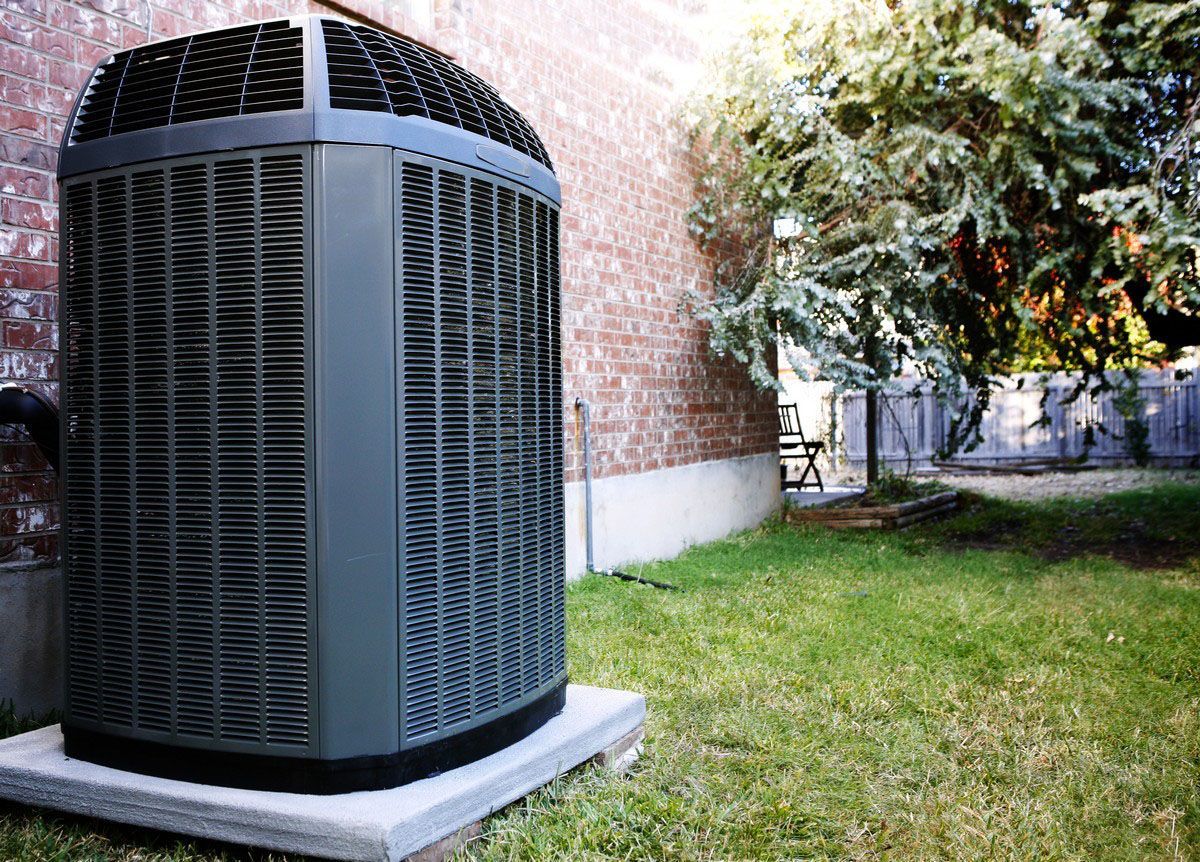
Between appointments, monitor filter condition, thermostat settings, unusual sounds, and changes in system performance. Keep outdoor equipment clear according to manufacturer guidance, and avoid attempting repairs that require specialized tools or training.
It is also helpful to retain service records, equipment manuals, warranty information, and receipts. These documents make it easier to track recurring problems, understand repair history, and plan for eventual replacement. Consistent records help homeowners make informed decisions instead of reacting under pressure when equipment fails.
Preventive maintenance protects HVAC equipment, supports indoor comfort, and helps control long-term ownership costs. Regular inspections, timely filter replacement, and attention to warning signs can reduce unnecessary strain while helping systems operate efficiently. Professional service also supports better air quality, safer operation, and more responsible energy use.
Partnering with experienced HVAC contractors makes preventive care easier to manage and helps ensure maintenance tasks receive appropriate attention. Rather than waiting for a breakdown, homeowners can establish a schedule that prepares equipment for changing seasons and identifies developing concerns early.
For dependable service and a preventive maintenance plan tailored to your home, contact High Country Heating & Air Conditioning. Their professional team can help you identify potential issues, maintain system efficiency, and address minor concerns before they develop into costly repairs. With regular inspections and proper care, you can extend your equipment’s lifespan, improve indoor comfort, and keep energy costs under control. Taking a proactive approach to HVAC maintenance also helps prepare your heating and cooling system for seasonal temperature changes, reducing the risk of unexpected breakdowns when you need it most. Don’t wait until your system shows signs of trouble to give it the attention it deserves. Schedule an inspection with High Country Heating & Air Conditioning today to protect your HVAC investment, support reliable performance, and enjoy consistent, year-round comfort with greater peace of mind.