August 24, 2026
Air conditioning has become an important part of everyday life for millions of American households. According to Forbes, around 90% of American homes use air conditioning, making these systems a major factor in household comfort and energy use. Despite how common air conditioners are, however, many misconceptions surround their installation, maintenance, sizing, and operation.
Some homeowners may assume that buying the largest available unit is the best way to cool a house, while others may believe that an air conditioner only needs professional attention when it stops working. These assumptions can lead to inefficient operation, unnecessary expenses, or premature equipment failure. Understanding what air conditioning systems actually need can help homeowners make more informed decisions about their comfort and maintenance.
Do Air Conditioning Contractors Only Install New Units?
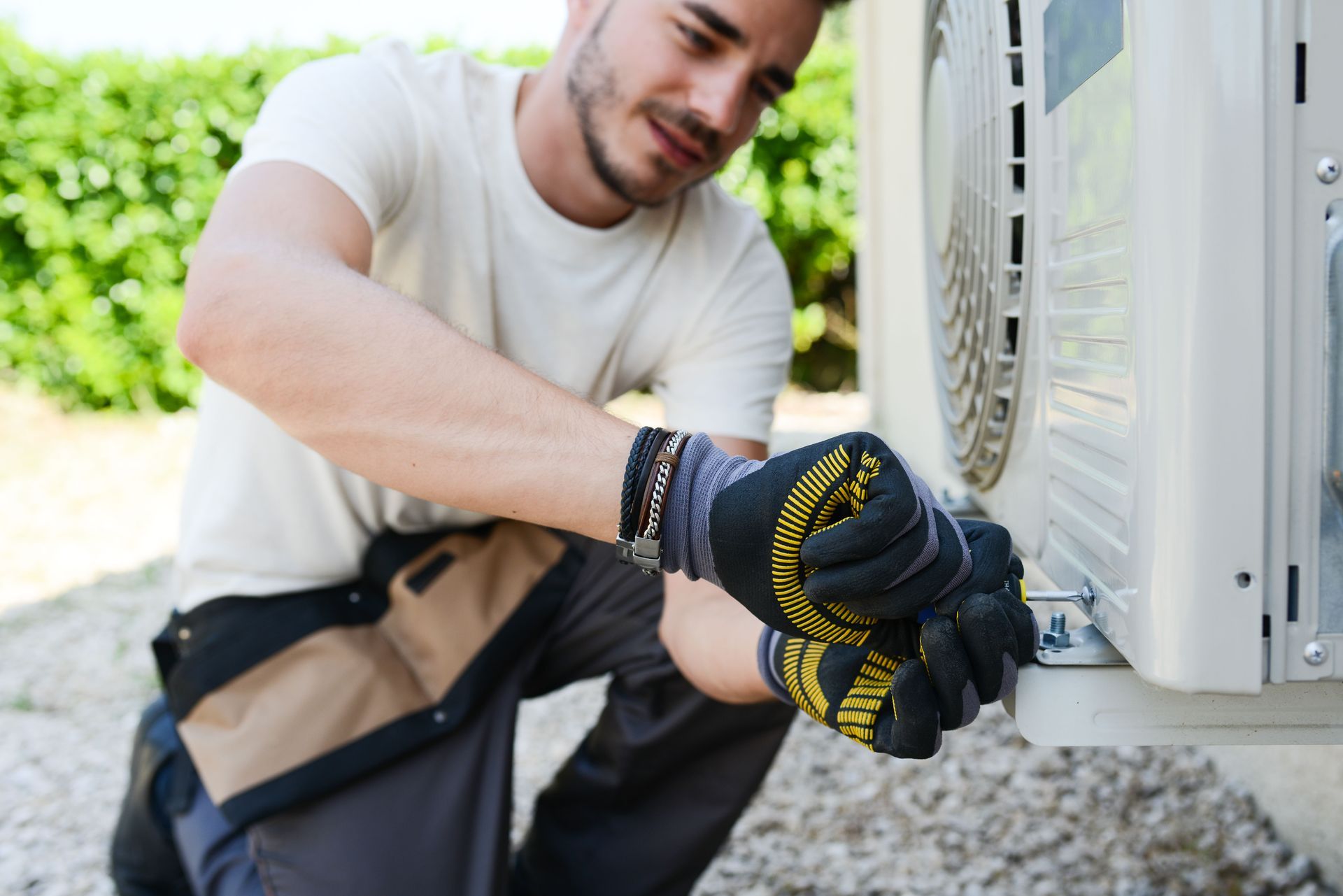
One common misconception is that air conditioning contractors primarily install new equipment. While installation is certainly an important service, it is only one part of what these professionals may provide. Many contractors also perform inspections, routine maintenance, troubleshooting, repairs, replacements, and system evaluations.
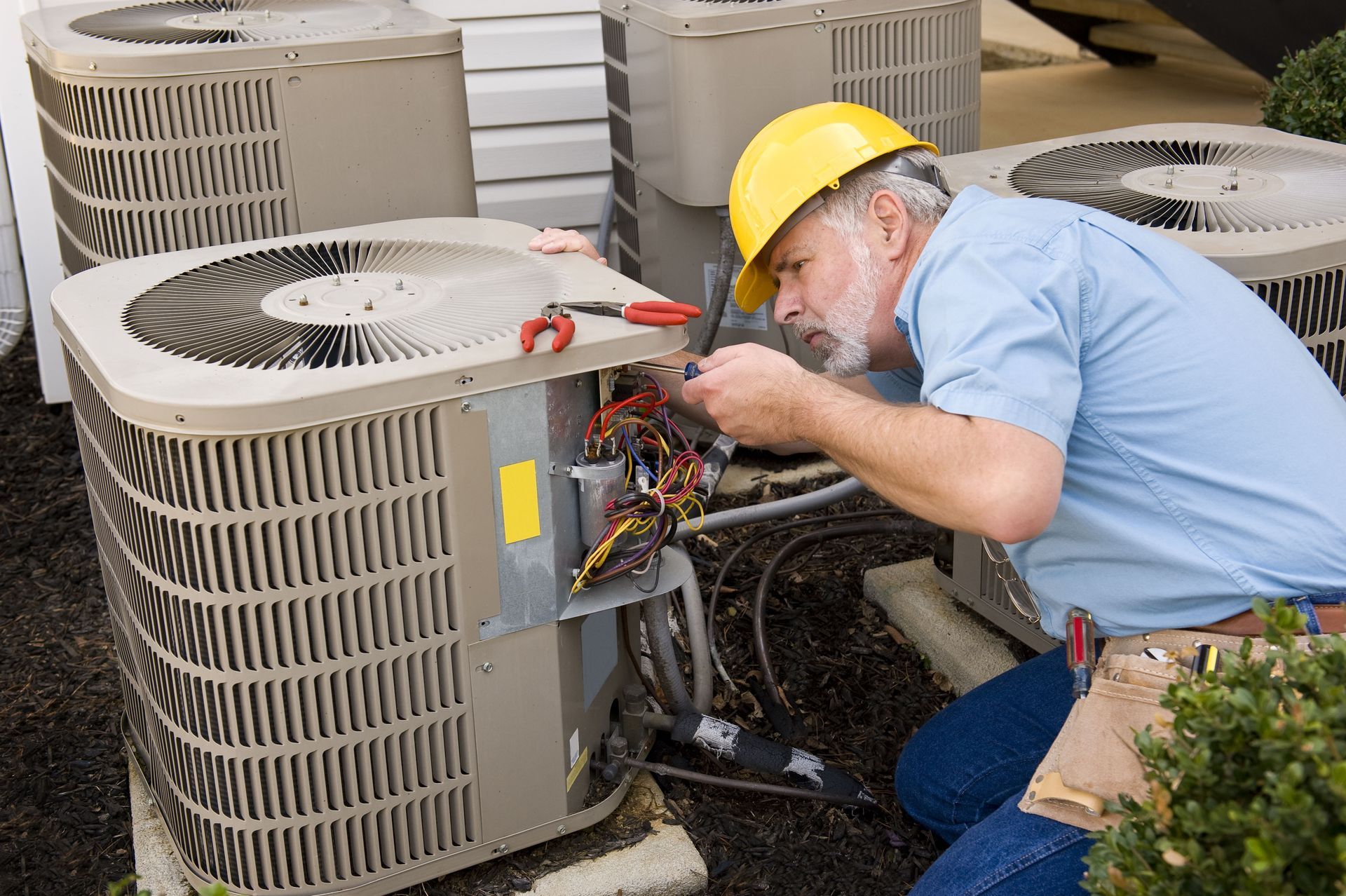
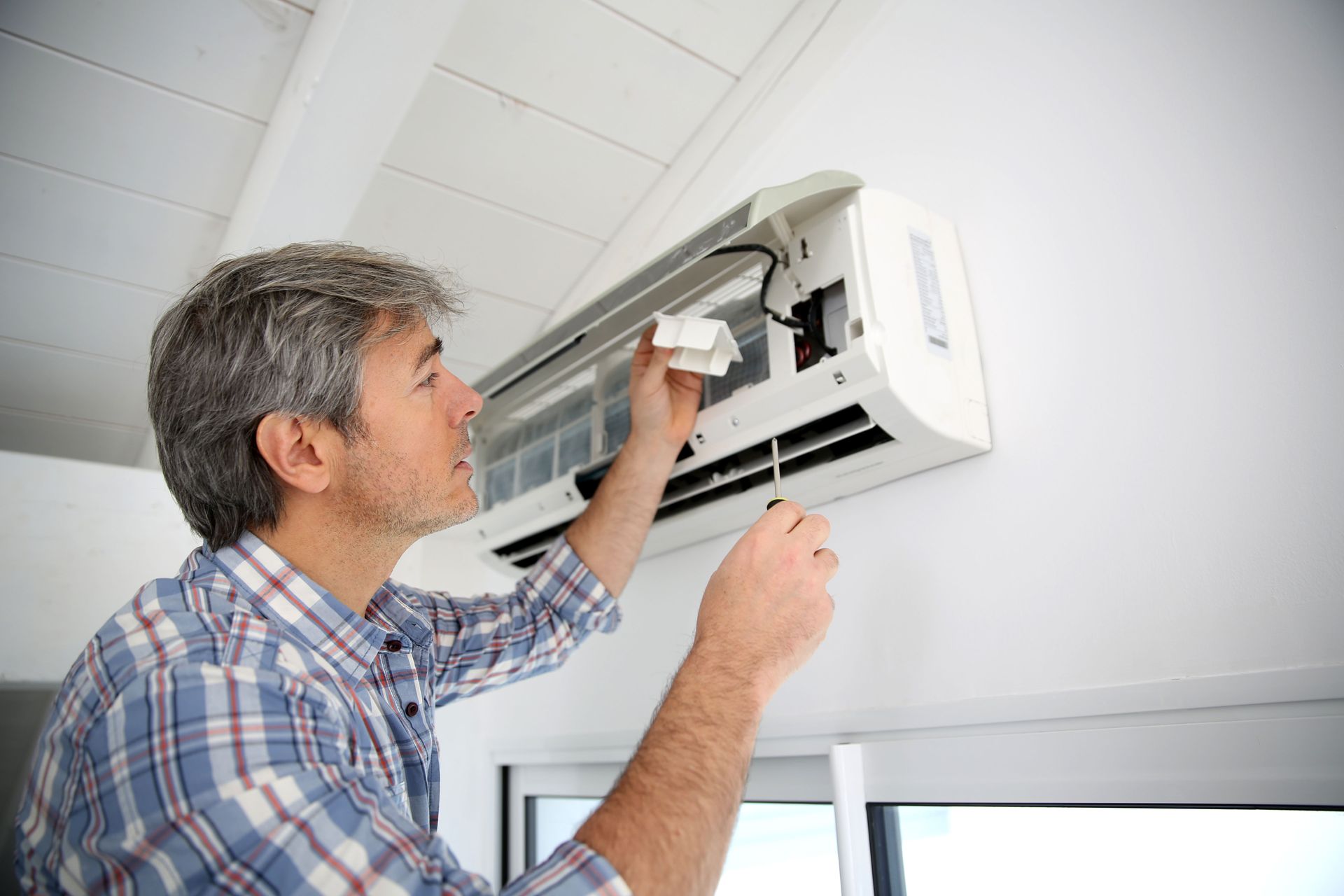
Professional maintenance can be particularly useful for homeowners who want to identify developing problems before they become major failures. A contractor may inspect components, check refrigerant levels, examine electrical connections, clean relevant parts, and evaluate whether the system is operating properly.
Air conditioning contractors can also help homeowners determine whether an existing system should be repaired or replaced. An older air conditioner may not necessarily need immediate replacement simply because it has developed a problem. Depending on the age and condition of the equipment, repairing it may be a practical option. On the other hand, repeated breakdowns or declining efficiency could make replacement more worthwhile.
Working with a contractor for more than just installation can give homeowners access to ongoing support throughout the life of their equipment.
Is Bigger Always Better When It Comes to Air Conditioners?
Another widespread misconception is that a larger air conditioner will automatically provide better cooling. In reality, an oversized system can create its own problems. Air conditioners need to be appropriately matched to the size, layout, insulation, and other characteristics of a home.
A unit that is significantly larger than necessary may cool the indoor air quickly without running long enough to adequately remove humidity. This can leave a home feeling uncomfortable even when the thermostat reaches the desired temperature. Frequent cycling can also place additional stress on equipment and potentially affect operating costs.
Conversely, an undersized system may have to run for extended periods to keep up with demand, particularly during very hot weather. This can contribute to excessive wear and higher energy consumption.
Air conditioning contractors can evaluate the characteristics of a home and determine an appropriate system size rather than simply recommending the biggest available unit. Proper sizing is an important part of an effective installation because cooling capacity needs to correspond with the actual demands of the building.
Are All Air Conditioning Contractors the Same?
Homeowners may also assume that one contractor is essentially interchangeable with another. While many professionals provide similar basic services, the quality, experience, communication, and workmanship can vary considerably between companies.
A qualified contractor should be able to explain what work is being recommended and why. For an installation, this may include discussing equipment options, system sizing, expected operating characteristics, and the work involved in connecting the new equipment. For repairs, homeowners should receive an understandable explanation of the problem and potential solutions.
Experience can also matter when contractors encounter unusual problems. Air conditioning systems can vary substantially by age, manufacturer, configuration, and installation. A contractor who has worked with a wide range of systems may be better equipped to diagnose problems accurately.
Homeowners can also look for appropriate licensing and insurance, clear estimates, references or reviews, and warranties when comparing air conditioning contractors. Taking time to evaluate these factors can help prevent problems associated with choosing a provider based solely on the lowest initial price.
Can Air Conditioning Contractors Help With Energy Efficiency?
Air conditioning contractors can also play an important role in improving the efficiency of a cooling system. Energy efficiency is not determined solely by the equipment itself. Installation quality, system condition, ductwork, airflow, and thermostat settings can all affect how much energy an air conditioner requires.
During an evaluation, a contractor may identify problems that are making the system work harder than necessary. Restricted airflow, dirty components, duct leaks, and poorly functioning electrical or mechanical parts can all interfere with efficient operation.
Replacing an aging system may also provide an opportunity to improve efficiency. Modern equipment can offer different performance characteristics than older units, although homeowners should consider the full cost of replacement rather than assuming a new air conditioner will automatically pay for itself through energy savings.
Air conditioning contractors can also provide recommendations for improving the overall cooling system. Depending on the home, those recommendations might involve maintenance, equipment adjustments, thermostat improvements, ductwork repairs, or replacement of outdated equipment.
The goal is not simply to make the air conditioner run less. It is to help the system provide the necessary cooling without wasting energy or placing unnecessary strain on its components.
Is Regular Maintenance Unnecessary?
Perhaps one of the most costly misconceptions is that air conditioning maintenance is unnecessary as long as the system still produces cold air. An air conditioner can continue operating while developing problems that gradually reduce its efficiency or reliability.
Routine maintenance provides an opportunity to identify issues before they become larger failures. Contractors can inspect the system, clean components where appropriate, check connections, examine airflow, and look for signs of wear. These inspections can also reveal conditions that might otherwise go unnoticed by a homeowner.
Maintenance does not guarantee that an air conditioner will never break down, but it can help keep the system operating as intended. Regular attention may also help preserve performance as equipment ages.
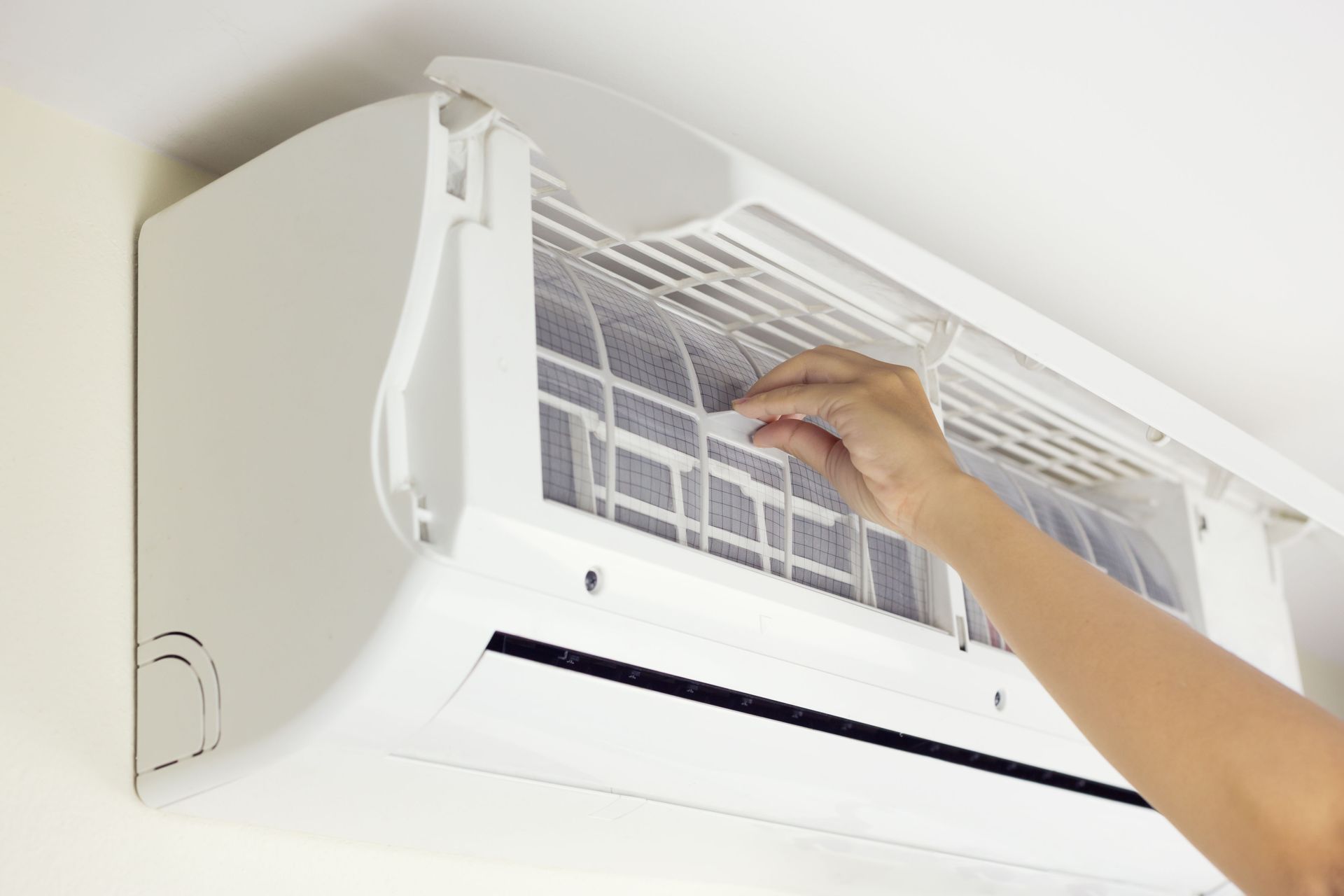
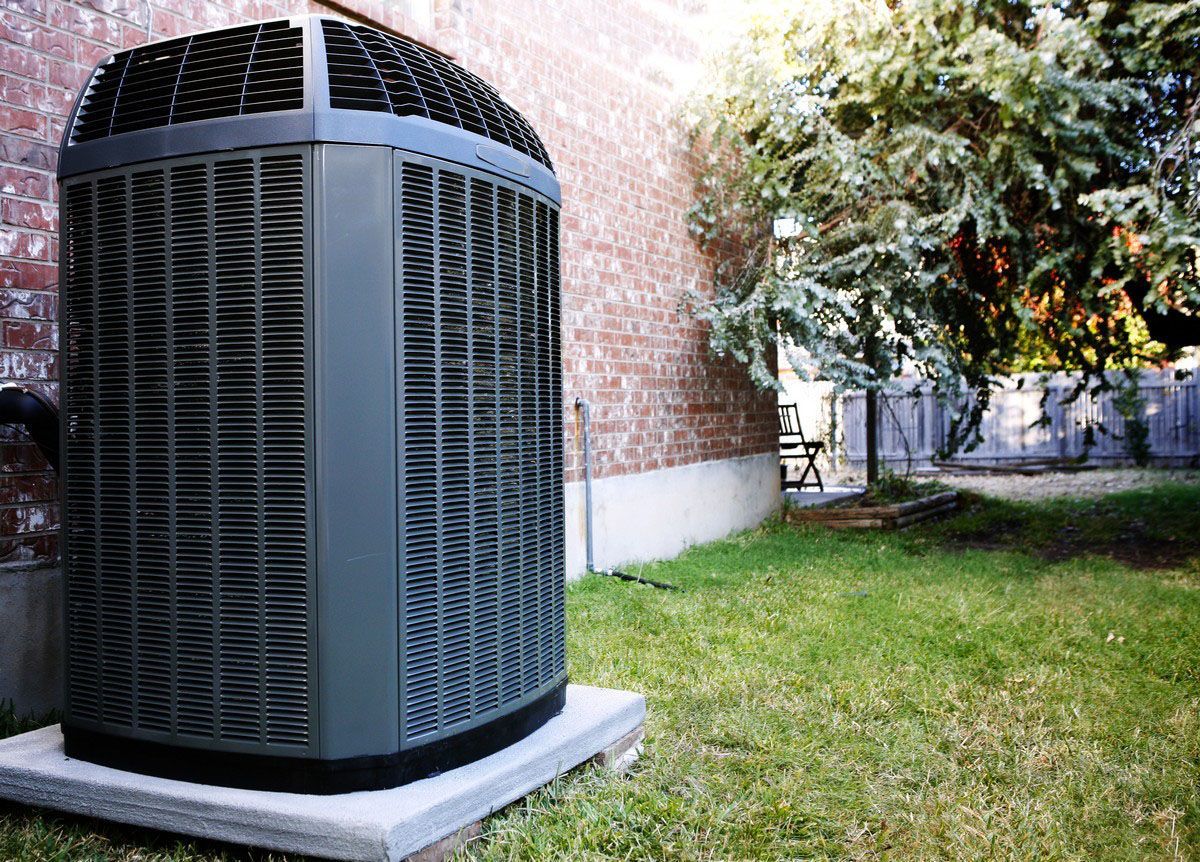
Homeowners can contribute to this process through simple tasks such as keeping outdoor units clear of debris and replacing or cleaning filters according to the equipment manufacturer's recommendations. However, these basic steps do not replace professional inspections when they are appropriate.
Air conditioning contractors can establish maintenance schedules based on the equipment and the home's needs. Having a system evaluated regularly can make it easier to identify developing problems and determine when repairs or replacement may be necessary.
Making Better Decisions About Air Conditioning
Many air conditioning misconceptions come from treating every cooling system as though it works the same way or assuming that the simplest solution is always the best one. In reality, an air conditioner's performance depends on equipment selection, proper sizing, installation, maintenance, and the condition of the home itself.
Homeowners do not necessarily need to become HVAC professionals to make good decisions. They can start by asking questions, understanding why a particular service is being recommended, and comparing qualified professionals before committing to major work.
Air conditioning contractors can provide valuable assistance throughout the life of a cooling system, from determining the appropriate equipment during installation to diagnosing problems and maintaining existing systems. Rather than waiting until an air conditioner fails, homeowners can take a proactive approach to its care.
Understanding these common misconceptions makes it easier to distinguish between assumptions and practical guidance. With appropriate equipment, professional installation, regular maintenance, and informed decision-making, homeowners can get more reliable performance from their air conditioning systems while avoiding many unnecessary problems. If you're in need of air conditioning service, repair, or installation, contact High Country Heating & Air Conditioning today!